
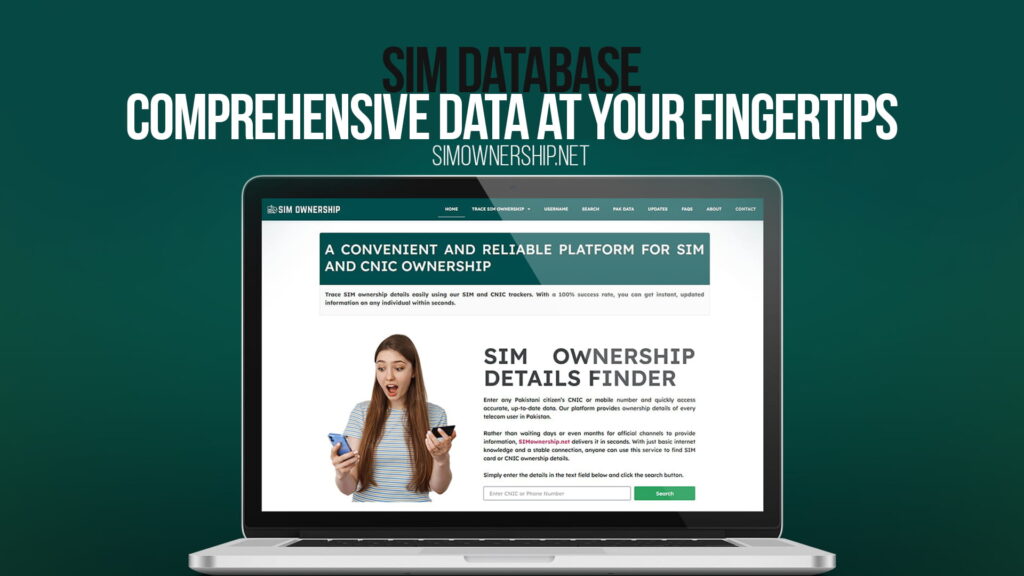
Staying informed about your mobile connections has become more important than ever. Whether you’re concerned about security, managing multiple SIM cards, or simply want to verify ownership details, having access to a comprehensive SIM database can make all the difference. This guide explores everything you need to know about SIM databases, how they work, and why they matter in Pakistan’s telecommunications landscape.
Understanding SIM Databases and Their Importance
A SIM database is essentially a centralized repository of information related to mobile subscriber identity modules. These databases contain crucial details about registered SIM cards, including ownership information, registration dates, network operators, and associated identification documents. In Pakistan, where mobile connectivity has become an essential part of daily life, understanding and accessing this information has become increasingly valuable.
The concept of a SIM database goes beyond simple record-keeping. It represents a comprehensive system that enables users, telecommunications authorities, and network operators to maintain transparency and accountability in the mobile services sector. With millions of active mobile connections across the country, having organized and accessible data helps prevent fraud, enhances security, and empowers users to take control of their digital footprint.
For the average citizen, a SIM database serves multiple practical purposes. Imagine discovering that someone has registered a SIM card using your national identity card without your knowledge. Or perhaps you’ve lost track of how many SIM cards are registered under your name. These scenarios are more common than you might think, and having access to accurate database information can help you address such issues promptly.
The Role of CNIC in SIM Registration
The Computerized National Identity Card serves as the backbone of SIM registration in Pakistan. Every mobile connection must be linked to a valid CNIC, creating a direct relationship between the cardholder and the mobile subscriber. This mandatory requirement was implemented to enhance security measures and reduce the misuse of mobile connections for illegal activities.
When you purchase a new SIM card, the registration process requires you to provide your CNIC details. This information is then verified through biometric systems and stored in the telecommunications database. The connection between your CNIC and SIM cards creates a trackable record that can be accessed through authorized platforms and services.
Understanding this connection is crucial because it forms the foundation of how SIM tracking and verification systems work. Your CNIC acts as a unique identifier that links all your mobile connections together. This means that whether you have one SIM card or multiple connections across different networks, they can all be traced back to your national identity card.
The implementation of CNIC-based registration has significantly improved accountability in the telecommunications sector. Before this system was established, anonymous SIM cards were readily available, leading to various security concerns. Now, every active connection has a verified owner, making it easier for authorities to track and prevent misuse.
How SIM Ownership Verification Works
SIM ownership verification is a straightforward process that leverages the existing telecommunications infrastructure and databases. When you want to check which SIM cards are registered under your CNIC, the verification system queries the centralized database maintained by telecom operators and regulatory authorities.
The verification process begins when you input your CNIC number into an approved tracking platform. The system then searches through comprehensive records maintained by all major network operators in Pakistan. These records contain detailed information about every SIM card registered under that particular CNIC, including the operator name, registration date, and current status of the connection.
What makes this process reliable is the direct integration with Pakistan Telecommunication Authority systems. The PTA maintains oversight of all telecommunications activities in the country, ensuring that the data remains accurate and up-to-date. When network operators register new SIM cards or deactivate existing ones, these changes are reflected in the central database.
The verification process also includes security measures to protect user privacy. Legitimate platforms require proper authentication before displaying sensitive information. This prevents unauthorized individuals from accessing someone else’s SIM registration details, maintaining a balance between transparency and privacy protection.
Benefits of Accessing SIM Database Information
Having access to a comprehensive SIM database offers numerous advantages for individual users and society as a whole. From a personal security perspective, being able to verify your registered SIM cards helps you identify any unauthorized registrations that might have occurred using your identification documents.
Financial security is another significant benefit. Many fraudulent activities involve the use of illegally registered SIM cards. By regularly checking your SIM ownership status, you can detect suspicious registrations early and take corrective action before any damage occurs. This proactive approach to security can save you from potential legal troubles and financial losses.
For people who manage multiple mobile connections, whether for business or personal use, database access provides a convenient way to keep track of all active SIM cards. You can easily verify how many connections you have across different networks, helping you manage your telecommunications expenses more effectively.
The broader societal benefit cannot be overlooked either. When citizens actively monitor their SIM registrations, it creates a culture of accountability that discourages fraudulent activities. This collective vigilance strengthens the overall security of the telecommunications network and makes it harder for criminals to exploit the system.
Pakistan Telecommunication Authority’s Role
The Pakistan Telecommunication Authority plays a central role in maintaining the integrity of SIM databases across the country. As the primary regulatory body for telecommunications, the PTA establishes guidelines and standards that all network operators must follow when registering and managing SIM cards.
One of PTA’s key responsibilities is ensuring that all SIM registrations comply with established verification procedures. This includes mandatory biometric verification, CNIC authentication, and regular audits of operator databases. These measures help maintain the accuracy and reliability of the information stored in SIM databases.
The authority also provides oversight for platforms and services that offer SIM tracking and verification features. By approving legitimate services and warning against unauthorized ones, PTA helps users identify trustworthy sources for checking their SIM ownership details. This regulatory function protects consumers from potential scams and ensures that their personal information remains secure.
Furthermore, PTA continuously updates its systems and policies to address emerging challenges in telecommunications security. As technology evolves and new threats emerge, the authority adapts its framework to maintain effective oversight. This dynamic approach ensures that SIM databases remain relevant and useful for their intended purposes.
Features of Modern SIM Tracking Systems
Contemporary SIM tracking systems have evolved significantly from simple lookup tools to comprehensive platforms offering multiple features. These advanced systems provide users with detailed information about their registered connections while maintaining high security standards and user-friendly interfaces.
A primary feature of modern tracking systems is real-time database access. Unlike older methods that might have delays in updating information, current platforms connect directly to operator databases, ensuring that the information you receive is current and accurate. This immediacy is crucial when you need to verify recent registrations or deactivations.
User authentication mechanisms have also become more sophisticated. Reputable platforms implement multiple verification steps to confirm the identity of the person requesting information. This might include CNIC verification, mobile number confirmation, or other security measures that prevent unauthorized access to sensitive data.
Another valuable feature is the comprehensive reporting provided by advanced tracking systems. Instead of just listing the number of SIM cards registered under your name, modern platforms often provide detailed breakdowns by operator, registration dates, and current status. This granular information helps you understand your complete telecommunications profile at a glance.
Mobile accessibility has become increasingly important as well. Many tracking platforms now offer mobile-friendly interfaces or dedicated applications, allowing users to check their SIM ownership details on the go. This convenience factor has made regular verification a more practical habit for many people.
Common Reasons to Check SIM Ownership
People seek SIM ownership information for various legitimate reasons, each reflecting different aspects of personal security and management needs. Understanding these common scenarios helps illustrate the practical value of accessible SIM databases.
Identity theft concerns drive many individuals to regularly verify their SIM registrations. In cases where someone has obtained your CNIC details fraudulently, they might register SIM cards without your knowledge. These illegally registered cards could potentially be used for criminal activities, leaving you vulnerable to legal complications. Regular checks help you detect and address such situations quickly.
Lost or forgotten SIM cards represent another common reason for database queries. Over the years, you might have registered multiple connections that are no longer in use but remain active in the system. Identifying these dormant connections allows you to deactivate them properly, reducing your potential security exposure and avoiding unnecessary charges.
Business professionals and entrepreneurs often need to track multiple SIM cards registered for commercial purposes. Having a centralized way to verify all business-related connections helps with account management and ensures compliance with company policies regarding mobile communications.
Family safety concerns also motivate database checks. Parents might want to verify that their children’s mobile connections are properly registered and that no unauthorized SIM cards have been issued using family members’ identification documents. This protective measure helps maintain family security in the digital age.
Security Considerations When Using SIM Databases
While accessing SIM database information provides valuable benefits, it’s essential to approach this process with appropriate security awareness. Protecting your personal information should remain a top priority when using any tracking or verification service.
The first security consideration involves choosing legitimate platforms for SIM verification. Only use services that are recognized or approved by regulatory authorities like the PTA. Unauthorized platforms might pose as legitimate services while actually collecting your personal information for malicious purposes. Always verify the credibility of a service before entering your CNIC or other sensitive details.
Data privacy is another crucial aspect to consider. Reputable platforms should have clear privacy policies explaining how they handle and protect your information. They should never share your personal details with third parties without your explicit consent. Before using any service, take time to review their privacy statements and understand what happens to your data.
Be cautious about sharing verification results on social media or other public platforms. Screenshots showing your complete SIM ownership details contain sensitive information that could be exploited by bad actors. If you need to share this information for legitimate purposes, ensure you’re doing so through secure, private channels.
Regular monitoring of your SIM registrations serves as an ongoing security practice. Don’t just check once and forget about it. Make it a habit to verify your ownership details periodically, perhaps every few months. This regular vigilance helps you catch any unauthorized registrations early, before they can cause significant problems.
The Technology Behind SIM Databases
Understanding the technology that powers SIM databases helps appreciate the complexity and reliability of these systems. Modern telecommunications infrastructure relies on sophisticated databases and networking technologies to maintain accurate records of millions of mobile connections.
At the core of SIM database systems are centralized servers that store vast amounts of subscriber information. These servers use advanced database management systems capable of handling high volumes of queries while maintaining data integrity and security. The architecture is designed to ensure redundancy, meaning that information is backed up across multiple locations to prevent data loss.
Real-time synchronization technology enables different network operators to share information with central regulatory databases. When a new SIM card is registered on any network, that information is transmitted to the central system, ensuring that comprehensive records remain current. This synchronization happens continuously, maintaining the accuracy of the database.
Encryption plays a vital role in protecting the sensitive information contained within SIM databases. All data transmissions between operators, regulatory authorities, and verification platforms use strong encryption protocols. This ensures that personal information cannot be intercepted or accessed by unauthorized parties during transmission or storage.
Biometric integration has added another layer of technological sophistication to SIM databases. Modern registration systems often verify the thumbprint or facial features of the person registering a SIM card, comparing this biometric data against CNIC records. This technology significantly reduces the possibility of fraudulent registrations using stolen or fake identification documents.
Legal Framework Governing SIM Registration
The legal structure surrounding SIM registration in Pakistan provides the foundation for how databases are maintained and accessed. Understanding this framework helps users appreciate their rights and responsibilities regarding mobile connections.
Pakistani law mandates that all mobile connections must be registered with valid identification documents. This requirement isn’t merely a suggestion but a legal obligation for both telecommunications operators and subscribers. Failure to comply with registration requirements can result in service disconnection and potential legal consequences.
The legal framework also establishes penalties for fraudulent SIM registrations. Individuals who register SIM cards using fake or stolen identification documents face serious legal repercussions. Similarly, any misuse of registered SIM cards for illegal activities can result in prosecution, with the registered owner potentially held accountable.
Privacy laws balance the need for transparency with individual rights to confidentiality. While regulatory authorities maintain comprehensive databases of SIM registrations, access to this information is controlled and regulated. Not just anyone can query the database for any CNIC number; proper authorization and authentication are required to protect individual privacy.
Consumer protection provisions within the legal framework ensure that individuals have the right to access information about their own SIM registrations. This legal guarantee empowers citizens to verify their ownership details and challenge any inaccuracies or unauthorized registrations they discover.
Step-by-Step Guide to Checking Your SIM Ownership
Verifying your SIM ownership has become a straightforward process thanks to user-friendly platforms designed specifically for this purpose. Following a systematic approach ensures you get accurate results while protecting your personal information.
Begin by visiting a reputable SIM tracking platform that has proper authorization to access telecommunications databases. Look for platforms that display official certifications or approvals from regulatory authorities. This initial step is crucial because it determines the reliability of the information you’ll receive.
Once on the platform, locate the verification or tracking section. Most services prominently display this feature on their homepage, making it easy to find. You’ll typically see a form or input field requesting your CNIC number.
Enter your thirteen-digit CNIC number carefully, double-checking for accuracy. Even a single incorrect digit will result in inaccurate results or an error message. Some platforms also include formatting guidance to help you enter the number correctly.
Complete any additional verification steps required by the platform. This might include entering a verification code sent to your mobile number or solving a CAPTCHA to prove you’re not a bot. These security measures protect the database from automated queries and unauthorized access.
After submitting your query, wait for the system to process your request. This usually takes only a few seconds, though it might occasionally take longer if the system is experiencing high traffic. The results will display all SIM cards registered under your CNIC, typically showing details like the network operator, registration date, and current status.
Review the results carefully, comparing them against your records of mobile connections. Note any discrepancies or SIM cards you don’t recognize. If you find unauthorized registrations, take immediate action by contacting the relevant network operator and filing a complaint with regulatory authorities.
Managing Multiple SIM Cards Effectively
In an era where many people maintain multiple mobile connections for different purposes, effective management has become essential. Understanding how to organize and monitor several SIM cards helps you maintain control and security.
Start by creating a personal inventory of all your legitimate SIM registrations. Document each number, its associated network operator, its purpose (personal, business, backup, etc.), and when it was registered. This inventory serves as your reference point when verifying database information.
Establish a clear purpose for each SIM card you maintain. Perhaps one number is for personal use, another for business communications, and a third for online services requiring mobile verification. Having distinct purposes helps you determine which connections are truly necessary and which might be redundant.
Regular auditing of your active SIM cards should become a routine practice. At least quarterly, check your SIM ownership status through authorized platforms and compare the results against your personal inventory. This regular review helps you identify any unexpected additions or discrepancies quickly.
Consider consolidating unnecessary connections to simplify your telecommunications profile. If you discover dormant SIM cards that you no longer use, initiate the proper deactivation procedures. Reducing the number of active registrations under your name decreases potential security vulnerabilities and makes ongoing management easier.
Keep documentation of all your mobile connections in a secure location. This might include original registration receipts, SIM card packaging with serial numbers, and records of any correspondence with network operators. Having these documents readily available proves invaluable if you ever need to dispute ownership or address registration issues.
Addressing Unauthorized SIM Registrations
Discovering that someone has registered a SIM card using your CNIC without authorization can be alarming, but knowing how to respond effectively helps you resolve the situation quickly and minimize potential damage.
The first step upon discovering an unauthorized registration is to remain calm and document the details. Note the network operator, the number if visible, and any other information provided by the tracking system. Take screenshots or save the verification results as evidence.
Contact the network operator immediately through their official customer service channels. Report the unauthorized SIM card and provide them with your identification details and evidence of the fraudulent registration. Most operators have dedicated departments for handling such complaints and can begin the investigation process right away.
File an official complaint with the Pakistan Telecommunication Authority. The PTA has mechanisms in place specifically for addressing fraudulent SIM registrations. Your complaint contributes to their oversight activities and helps them identify patterns of abuse that might affect other citizens as well.
Consider filing a police report, especially if you suspect identity theft or if the unauthorized registration is part of a broader fraud scheme. Having an official police report creates a legal record of the incident, which can be important if the illegally registered SIM card is used for criminal activities.
Monitor the situation closely until it’s fully resolved. Follow up regularly with both the network operator and regulatory authorities to ensure your complaint receives appropriate attention. Keep records of all communications, including dates, times, and the names of representatives you speak with.
After resolving the immediate issue, implement preventive measures to reduce the risk of future unauthorized registrations. This might include regularly checking your SIM ownership status, safeguarding your physical CNIC and copies of it, and being cautious about who you share your identification details with.
The Evolution of SIM Technology and Databases
The journey of SIM card technology from its inception to current sophisticated systems reflects broader trends in telecommunications and data management. Understanding this evolution provides context for appreciating modern SIM databases.
Early SIM cards were relatively simple devices containing basic subscriber information and cryptographic keys for network authentication. The databases supporting these early systems were correspondingly straightforward, focusing primarily on enabling connections between subscribers and networks.
As mobile technology advanced, SIM cards gained additional capabilities, and the databases evolved to track more complex information. The introduction of value-added services, mobile internet, and multimedia messaging required more comprehensive data management systems capable of handling diverse types of subscriber information.
The security challenges that emerged with widespread mobile adoption drove significant database improvements. Incidents of fraud, terrorism, and other criminal activities conducted using mobile phones prompted authorities worldwide to implement stricter registration requirements and more robust tracking systems.
In Pakistan specifically, the shift toward mandatory biometric verification marked a significant milestone in SIM database evolution. This change fundamentally transformed how registrations were conducted and maintained, adding layers of security that made fraudulent registrations considerably more difficult.
Current SIM databases represent highly sophisticated systems integrating multiple technologies. They combine traditional database management with biometric verification, real-time synchronization, advanced encryption, and user-friendly query interfaces. This integration creates a comprehensive ecosystem that balances security, accessibility, and regulatory compliance.
Future Trends in SIM Database Technology
Looking ahead, several emerging trends promise to further enhance the capabilities and utility of SIM databases. These developments will likely make verification processes even more secure and user-friendly while addressing new challenges in the telecommunications landscape.
Artificial intelligence and machine learning technologies are beginning to play larger roles in detecting fraudulent registration patterns. By analyzing vast amounts of registration data, AI systems can identify suspicious activities that might indicate identity theft or other forms of fraud. These automated detection systems could alert users and authorities to potential problems before significant damage occurs.
Blockchain technology presents interesting possibilities for creating even more secure and transparent SIM registration systems. The decentralized and immutable nature of blockchain could provide additional layers of verification and make it nearly impossible to alter registration records fraudulently. Several countries are already experimenting with blockchain-based identity and telecommunications management systems.
Enhanced biometric verification methods continue to develop, potentially adding facial recognition, iris scanning, and other advanced techniques to the registration process. These additional biometric markers would make it even more difficult for individuals to register SIM cards using stolen or fake identification documents.
Integration with broader digital identity systems represents another likely future direction. As governments develop comprehensive digital identity frameworks, SIM databases might become components of larger ecosystems that manage various aspects of citizen identification and service access. This integration could streamline verification processes across multiple domains.
Mobile application development will probably continue improving user access to SIM database information. Future apps might offer features like automatic alerts when new SIM cards are registered under your CNIC, one-touch verification processes, and integrated tools for managing all aspects of your telecommunications profile.
Best Practices for SIM Card Security
Maintaining good security practices around your SIM cards and related information helps protect you from various threats while ensuring your mobile connections remain secure and properly managed.
Guard your CNIC and other identification documents carefully. Never share copies of these documents unless absolutely necessary, and be selective about whom you trust with such information. Many fraudulent SIM registrations occur because people carelessly distributed their CNIC copies or images.
When getting a new SIM card, always complete the registration process yourself at authorized outlets. Avoid using third-party services that offer to register SIM cards on your behalf, as this creates opportunities for fraud. Being present during registration ensures that all information is recorded accurately and that you maintain control over the process.
Keep your SIM cards physically secure. Just as you would protect your bank cards or important documents, your SIM cards should be stored safely when not in use. If you’re temporarily using multiple SIM cards, store inactive ones in a secure location where they cannot be lost or stolen.
Enable PIN protection on your SIM cards. Most modern phones allow you to set a PIN that must be entered whenever the phone starts up or the SIM card is inserted into a different device. This security feature prevents unauthorized use of your SIM card if your phone is lost or stolen.
Be cautious about SIM swap fraud, a growing threat where criminals convince mobile operators to transfer your number to a SIM card they control. Protect yourself by setting up additional security measures with your operator, such as requiring in-person verification for any SIM replacement requests.
Regularly update your contact information with your mobile operator. If they have current email addresses and backup phone numbers on file, they can alert you to suspicious activities or verify unusual requests more effectively.
Understanding CNIC Tracking Capabilities
CNIC tracking represents a powerful tool for understanding your complete telecommunications footprint. The ability to trace all SIM cards connected to your national identity card provides comprehensive visibility that empowers better security and management.
The tracking process works by using your CNIC as a unique identifier that connects all your mobile registrations across different operators. Since every legitimate SIM card must be linked to a CNIC, this number serves as the common thread tying your telecommunications profile together.
When you initiate a CNIC tracking query, the system searches across databases maintained by all major network operators in Pakistan. This comprehensive search ensures that you see a complete picture of your registrations, regardless of which companies provide your mobile services.
The information revealed through CNIC tracking typically includes several key details for each registered SIM card. You’ll see which network operator hosts the connection, when the registration occurred, and whether the SIM card is currently active or deactivated. Some advanced platforms may provide additional information like the city or region where registration took place.
This tracking capability becomes particularly valuable when dealing with large families or household members. In some cases, family members might have registered SIM cards using each other’s CNICs with permission. CNIC tracking helps you understand these shared registrations and ensure that everyone in the family maintains awareness of connections registered under their identification.
The accuracy of CNIC tracking depends on the quality of the underlying databases and the integration between tracking platforms and operator systems. Reputable services maintain direct connections with official databases, ensuring that the information you receive reflects the current state of your registrations accurately.
The Impact of Mobile Number Portability
Mobile number portability has significantly affected how SIM databases function and how users manage their telecommunications profiles. Understanding this impact helps you navigate the system more effectively.
Number portability allows subscribers to switch between network operators while keeping their existing mobile numbers. This flexibility has transformed the competitive landscape of telecommunications, giving consumers more power and choice in selecting service providers.
From a database perspective, number portability adds complexity to tracking systems. When a number is ported from one operator to another, multiple database entries might exist in different systems. Modern tracking platforms must account for this complexity to provide accurate ownership information.
The porting process itself requires careful coordination between the donor network (the operator you’re leaving) and the recipient network (the operator you’re joining). During this transition, database records must be updated to reflect the change while maintaining the connection between your mobile number and your CNIC.
For users checking their SIM ownership, number portability means you might see historical information reflecting past operator associations. Understanding that a single mobile number could appear differently in various database contexts helps you interpret verification results correctly.
Some tracking systems now include porting history as part of their comprehensive reports. This feature allows you to see not just which operator currently services a particular number, but also which operators have previously hosted that connection. This historical perspective can be valuable for understanding your complete telecommunications journey.
Protecting Children and Vulnerable Individuals
Special considerations apply when managing SIM registrations for children and other vulnerable family members. Taking appropriate protective measures helps ensure their safety in the mobile communications environment.
Parents and guardians should maintain close oversight of any SIM cards registered using their children’s identification documents. Even if the child is old enough to have a CNIC, adult supervision of mobile communications remains important for safety and security reasons.
Regular verification of SIM registrations becomes even more critical when protecting vulnerable individuals. Schedule periodic checks to ensure that no unauthorized registrations have occurred using children’s or elderly family members’ identification documents. These groups are sometimes targeted for identity theft because their identification details might not be monitored as closely.
Educate family members about the importance of protecting their CNIC and other identification documents. Even young people who have their own identity cards need to understand the significance of safeguarding this information and the potential consequences of careless sharing.
Consider implementing family-wide security practices around mobile communications. This might include using parental control features on children’s devices, maintaining an inventory of all family mobile numbers, and establishing clear protocols for what to do if identification documents are lost or stolen.
If you discover unauthorized SIM registrations related to children or vulnerable family members, treat the situation with urgency. The potential for exploitation or harm is particularly concerning in these cases, warranting immediate action to resolve the unauthorized registration and strengthen protective measures.
Troubleshooting Common SIM Database Issues
Despite the general reliability of modern SIM databases and tracking systems, users occasionally encounter issues when attempting to verify their ownership details. Knowing how to troubleshoot these problems helps ensure you can access the information you need.
If your CNIC number returns no results when you know you have registered SIM cards, first verify that you’ve entered the number correctly. Double-check each digit and ensure there are no extra spaces or characters. Even minor input errors can prevent the system from finding your records.
Timing issues sometimes affect database queries. If you recently registered a new SIM card, there might be a brief delay before that registration appears in tracking systems. Similarly, if you’ve just deactivated a connection, it might take some time for the databases to update and reflect this change.
Platform-specific technical problems can occasionally interfere with verification processes. If one tracking service isn’t working properly, try using an alternative authorized platform. Sometimes temporary server issues or maintenance activities affect specific services without impacting the broader database infrastructure.
Discrepancies between what you expect to see and what the database shows might indicate data synchronization issues. If you believe the information is incorrect, contact the relevant network operator directly to verify the status of specific connections. They can access their internal systems to confirm whether registrations exist and troubleshoot any database inconsistencies.
In cases where you suspect a serious database error affecting your records, file a formal complaint with both the network operator and the Pakistan Telecommunication Authority. Provide detailed information about the discrepancy and any supporting documentation you have. Regulatory oversight helps ensure that database errors are corrected promptly.
The Role of Network Operators in Database Maintenance
Mobile network operators play a crucial role in maintaining the integrity and accuracy of SIM databases. Understanding their responsibilities helps you know what to expect and whom to contact when issues arise.
Operators are legally required to register all new SIM cards according to established procedures, including proper biometric verification and CNIC authentication. This front-line registration responsibility makes operators the first point of contact for ensuring that database entries are created correctly from the start.
Regular database maintenance and updates fall under operator responsibilities. As subscribers activate new services, change their plans, or deactivate connections, operators must update their internal databases accordingly. These updates must then be synchronized with central regulatory databases to maintain system-wide accuracy.
Security measures implemented by operators help protect the information stored in their databases. This includes implementing strong access controls, encrypting sensitive data, and maintaining audit trails of who accesses subscriber information and when. These security practices prevent unauthorized access and help detect potential breaches.
Customer service functions provided by operators include addressing database-related inquiries and resolving discrepancies. When you contact an operator about registration issues or unauthorized SIM cards, their support teams access internal systems to investigate and resolve problems.
Operators also have responsibilities related to data retention and privacy. They must maintain subscriber information for specified periods to comply with regulatory requirements while also protecting that information from unnecessary disclosure or misuse. This balance between retention and privacy protection is essential for maintaining trust in the telecommunications system.
You can verify your SIM registrations by using authorized platforms that access official telecommunications databases. Simply enter your 13-digit CNIC number on a PTA-approved tracking service to see all SIM cards registered under your name, including details about the network operator and registration dates.
If you discover an unauthorized SIM registration, immediately contact the network operator to report the fraudulent SIM card. Follow up by filing a complaint with the Pakistan Telecommunication Authority and consider filing a police report for documentation purposes. Keep records of all communications until the issue is resolved.
It’s recommended to verify your SIM registrations at least once every three to six months as a preventive security measure. If you’ve recently lost your CNIC or suspect identity theft, check immediately and more frequently until you’re confident your information is secure.
Yes, authorized SIM tracking services that are PTA-approved are both legal and safe to use. These platforms provide legitimate access to your own registration information. Always ensure you’re using reputable services with proper authorization to protect your personal data.
While biometric verification requirements have made this significantly more difficult, it’s not impossible if someone has access to your CNIC details and can bypass security measures. This is why regular verification of your SIM ownership and careful protection of your identification documents are essential.
Conclusion
Access to comprehensive SIM database information has become an essential tool for managing your telecommunications profile and protecting your digital identity. Through platforms like SIM Ownership, citizens can take control of their mobile registrations, verify ownership details, and detect unauthorized activities before they cause harm.
The evolution of SIM databases reflects broader technological advancements and growing awareness of security challenges in mobile communications. From simple registration systems to sophisticated platforms offering real-time tracking and comprehensive reporting, these tools have become increasingly powerful and user-friendly.
Understanding how to effectively use SIM databases, protect your personal information, and respond to potential security issues empowers you to navigate the modern telecommunications landscape with confidence. Regular verification of your registrations, combined with good security practices and awareness of your rights, creates a strong foundation for mobile security.
As technology continues advancing, SIM databases will likely become even more integrated with broader digital identity systems, offering enhanced features and stronger protections. Staying informed about these developments and maintaining active engagement with your telecommunications profile will remain important for security and effective management.
Whether you’re managing a single mobile connection or multiple SIM cards across different operators, the comprehensive data provided by modern tracking systems puts valuable information at your fingertips. Using this information wisely helps you maintain security, compliance, and control in an increasingly connected world.